Article
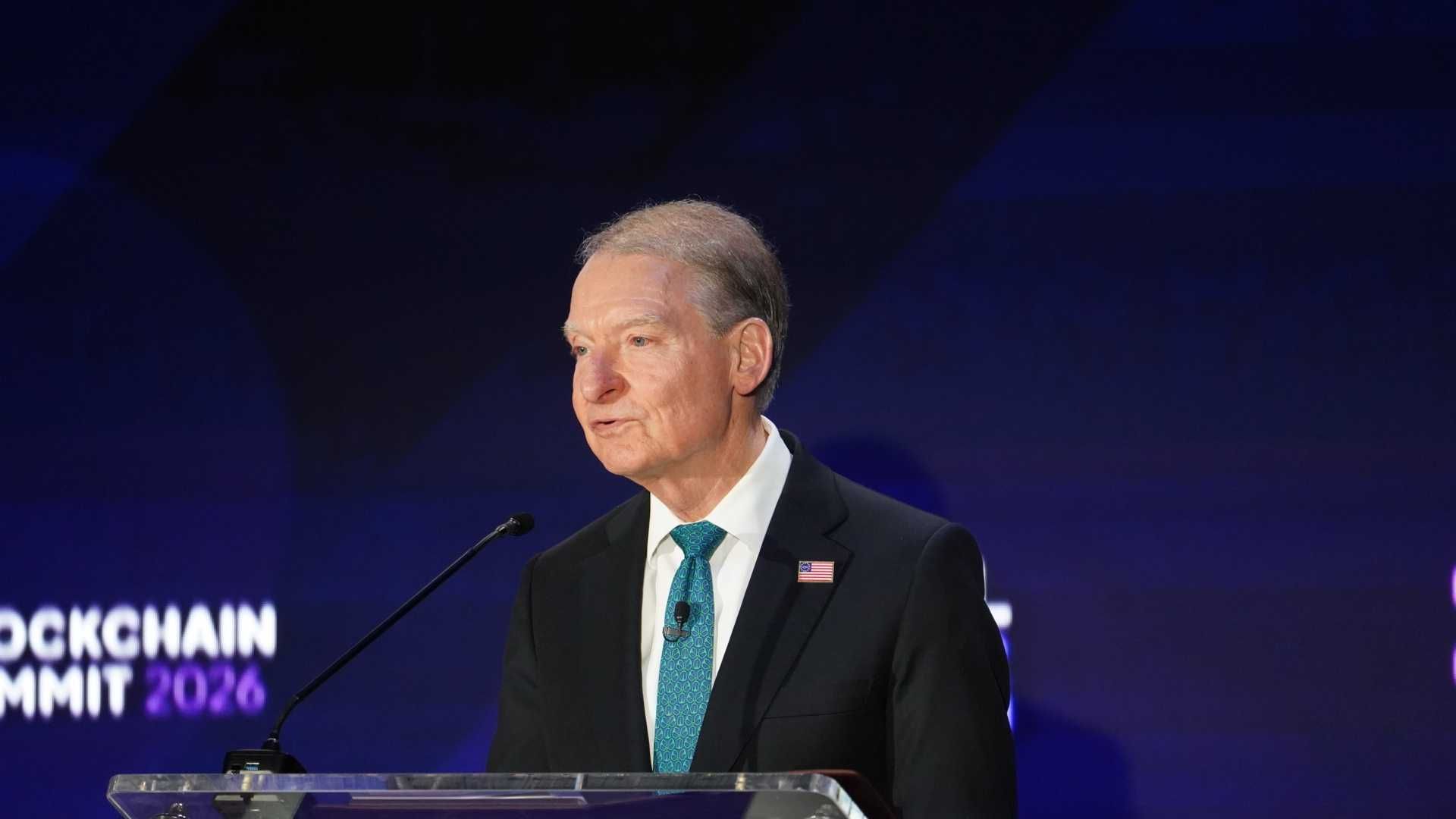
The U.S. Securities and Exchange Commission shared the informal guidance it'll use to classify crypto securities alongside its sister agency overseeing commodities. Mar 17, 2026, 8:28 p.m. For the first time, the U.S Securities and Exchange Commission has sought to clearly define different types of crypto assets and how the regulator will approach them, issuing those new standards Tuesday alongside its sister agency that's responsible for commodities. The SEC's interpretive guidance, which doesn't yet carry the weight of a formal new rule, has been promised by its new leader, Chairman Paul Atkins, put in place by President Donald Trump. And it was issued in partnership with the Commodity Futures Trading Commission, just days after the two agencies agreed on a formal relationship in which they plan to regulate crypto and other industries as close partners. “After more than a decade of uncertainty, this interpretation will provide market participants with a clear understanding of how the Commission treats crypto assets under federal securities laws," Atkins said in a statement. The previous chairman of the SEC, Democratic appointee Gary Gensler, had declined to commit to tailored policies for the crypto sector, leaving a longstanding gap in its regulator certainty in the world's most important market. Atkins said the new "token taxonomy" interpretation on Tuesday takes a stance that Gensler's agency refused to: "Most crypto assets are not themselves securities." He said in remarks at the Digital Chamber's DC Blockchain Summit that the SEC created four categories of tokens. "The interpretation then clarifies that only one crypto asset class remains subject to securities laws, namely digital securities, which are traditional securities in new technology," he said. "This distinction returns the SEC to its core mission and statutory authority of protecting investors involved in securities transactions." Additionally, those investment contracts that are securities don't necessarily keep that status permanently, he said. "We're not the securities and everything commission anymore," he said Tuesday at the Digital Chamber's DC Blockchain Summit, just minutes after releasing the new standard. The line drew enthusiastic applause from the crypto crowd. The guidance seeks to define digital commodities, digital collectibles, digital tools, stablecoins and digital securities. It also clarifies how U.S. securities laws should treat airdrops, protocol mining, protocol staking and the wrapping non-security crypto assets. “For far too long, American builders, innovators, and entrepreneurs have awaited clear guidance on the status of crypto assets under the federal securities and commodity laws,” said CFTC Chairman Mike Selig. Atkins said that the legislation being devised in Congress to establish new crypto laws will be the only way to guarantee the permanence of pro-digital assets policy shifts. More For You Arizona Attorney General files criminal charges against prediction market Kalshi 2 hours ago Kris Mayes filed 20 criminal counts against the prediction market operator, escalating a multi-state legal clash over sports and election predictions markets. What to know: Arizona Attorney General Kris Mayes filed 20 criminal counts against prediction markets platform Kalshi on Tuesday, accusing it of operating an unlicensed gambling business and offering illegal election wagering in the state. The charges come just as the Commodity Futures Trading Commission moves toward a more supportive federal framework for prediction markets, asserting exclusive jurisdiction over event contracts and treating platforms like Kalshi as derivatives venues rather than gambling operators. The Arizona case intensifies Kalshi's broader legal battles with state regulators, after the company preemptively sued multiple states but faced certain legal setbacks. Read full story